India is a treasure trove of diverse and intricate art forms, and among its most stunning yet underrated folk arts is Lippan Kaam, or Lippan Art. Rooted in the heart of Gujarat’s Kutch region, this traditional mud and mirror craft continues to capture hearts with its earthy elegance and shimmering reflections.
Whether you’re a seasoned artist or a curious beginner, exploring Lippan art can be a journey into culture, creativity, and calm.
🌿 What Is Lippan Art?
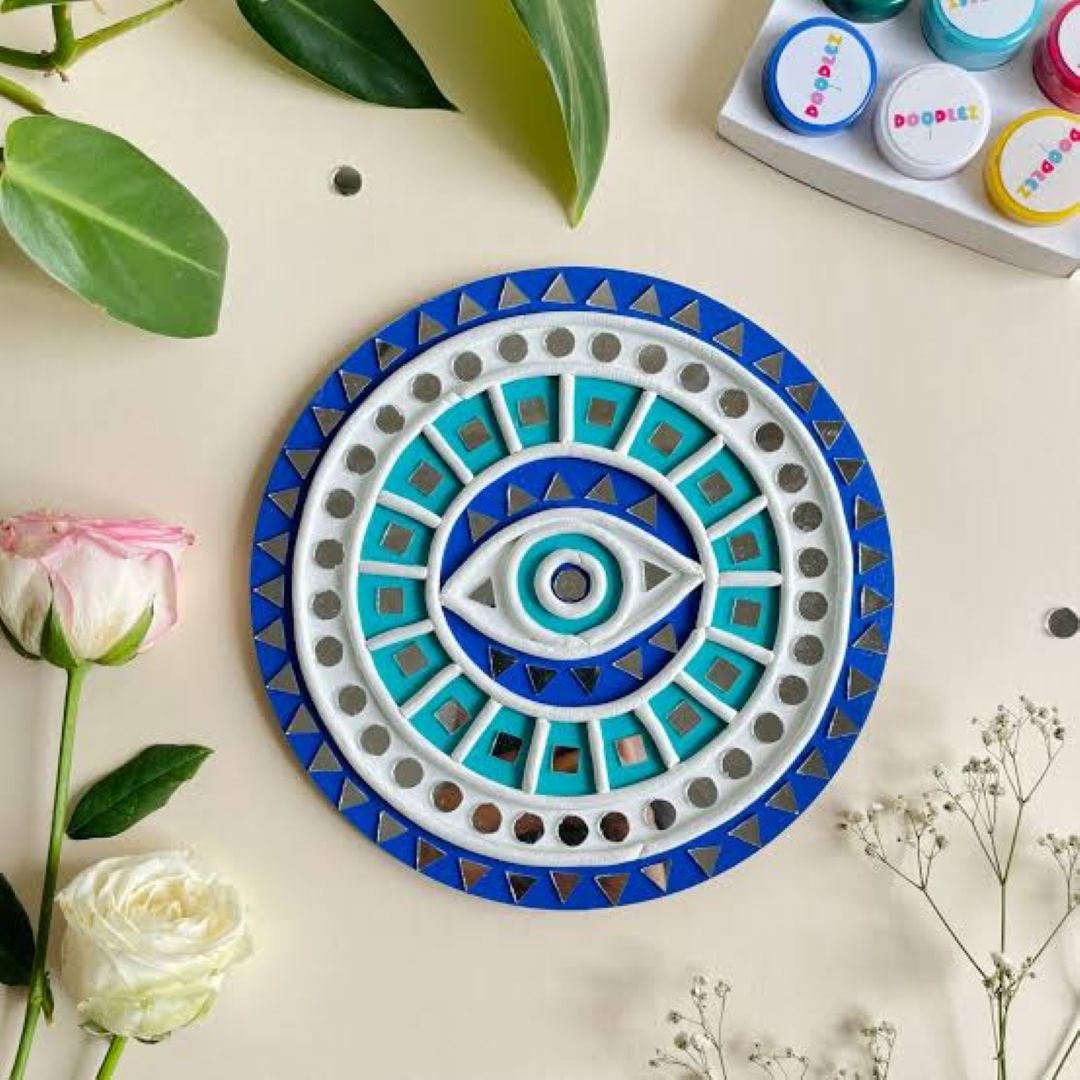
Lippan Art (also called Mud-Mirror Work) is a traditional mural craft practiced by the Rabari community of Gujarat. “Lippan” means to apply, and true to its name, this art involves applying a mix of clay or mud and camel dung onto walls, creating geometric patterns, floral motifs, and cultural symbols, accentuated with mirrors (abhla).
These artworks were originally used to decorate the interior and exterior walls of homes and temples, adding beauty, insulation, and sacredness to living spaces.
🌟 Materials Used
Traditionally, the Rabaris used:
-
Clay or mud and camel dung mix (as the base material)
-
Small round mirrors
-
Natural white clay
-
Wooden boards or wall surfaces
In modern interpretations, artists use:
-
MDF boards or canvas
-
Acrylic colors
-
Mould It clay / ceramic powder
-
Mirrors in various shapes (round, diamond, drop)
-
Fevicol or glue gun
This shift has helped bring the art into urban homes, galleries, and studios.
🎨 The Making Process
-
Prepare the Base: A wooden or MDF board is painted and prepped.
-
Design Outline: A design is sketched using chalk or pencil.
-
Apply Mud/Clay Paste: Using fingers or piping bags, the artist applies the paste along the design.
-
Add Mirrors: Mirrors are carefully placed while the paste is still wet.
-
Drying and Painting: Once dry, the piece may remain earthy or be painted in natural or vibrant colors.
Each piece is unique and reflects a fusion of tribal imagination and modern sensibility.
🪞Symbolism & Designs
Lippan art often draws inspiration from:
-
Peacocks, camels, and elephants
-
Mandala-style patterns
-
Sun, moon, and tribal motifs
-
Floral vines and sacred geometry
The mirror work is symbolic of light, positivity, and warding off evil, making it not just art but a spiritual expression.
💖 Why Lippan Art is Gaining Popularity
-
Eco-friendly and sustainable
-
Customizable to any space or theme
-
Brings texture and light to interiors
-
A perfect blend of heritage and modern aesthetics
-
Therapeutic as a DIY or hobby activity
Many home décor enthusiasts and art lovers now use Lippan panels in living rooms, lobbies, pooja rooms, and even cafes to create a rustic yet classy vibe.
🖌️ Lippan Art Workshops & DIY Kits
With the rise of handmade crafts and slow living, Lippan Art workshops are being held across cities and online platforms. DIY kits are also available for beginners, making it easy to create your own masterpiece at home.
It’s a fantastic activity for:
-
Art therapy sessions
-
School projects
-
Corporate team-building
-
Home decor personalization
🌍 Preserving a Folk Legacy
In an age of digital dominance, Lippan Art stands as a proud reminder of India’s rich handmade traditions. Every piece is not just decorative—it’s a story of rural India, passed down generations and reimagined for the modern world.
Supporting local artisans, learning the craft, or even simply appreciating this art form is a step toward keeping this intangible cultural heritage alive.
🏡 Final Thoughts
Lippan art is more than an art form—it’s a reflection of tradition, creativity, and sustainability. Whether you’re adorning your home or exploring new artistic mediums, Lippan work offers a soulful experience that connects past and present in the most beautiful way.